Many people visiting Tokyo will also take this opportunity to visit the nearby prefecture, which can be reached in a day. One of the popular places on the list is Nikko.
Nikko is located in a nearby prefecture about 2 hours drive from Tokyo; one of the ways to visit is by joining a local tour. Previously, I suggested that you try to book accommodation in Shinjuku. This is because many local tours depart from Shinjuku, and this is one of those tours. One of the advantages of joining a local tour is that you don’t have to worry about transportation or planning for the itinerary. Most importantly, the tour guide knows English, so they will be able to introduce the history of Nikko.
Nikko Toshogu日光東照宮

After a two-and-a-half-hour drive from Shinjuku, we have arrived at one of the tour’s highlights, and it is also a famous spot in Nikko: the Nikko Toshogu. It was built in 1617 as a memorial for Tokugawa Iegasu, the founding ruler of the Edo period.
When I arrived, despite it being a weekday, I saw quite a few coaches in the carpark and visitors waiting at the entrance. This made me a bit worried that with so many visitors, I might not be able to truly enjoy the visit as it might be so crowded.

However, once I got inside, my worries were eased away instantly. At the entrance area, there is a clear indication of the direction showing how the visitor should go around and separate the ways of going in and out. Therefore, it will not cause any congestion because the visitors are going in the opposite direction. Surprisingly, all the visitors are very disciplined and respectful of each other.
One of the highlights in the Nikko Toshogu is the three monkeys. Among these monkeys, one covers its mouth, its eyes, and its ears. The expression is actually from traditional Chinese slang: ‘Speak no evil, See no evil, Hear no Evil.’ It reminds us to stay true like children and respect each other.
Another highlight is the sleeping cat, which is located at the entrance to a graveyard. Although it seems to be having a nice sleep, looking from another angle, it seems to be struggling to open its eyes.
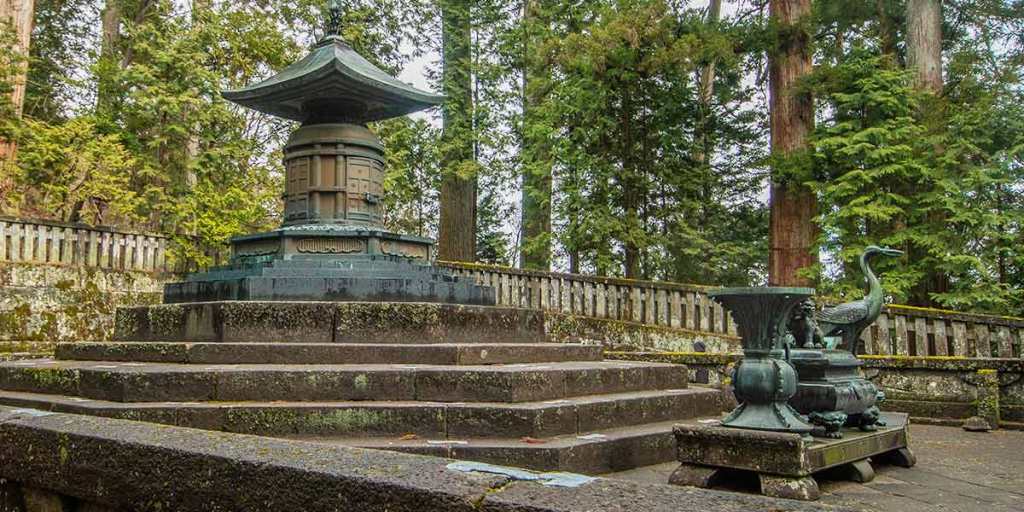
Once we pass through the sleeping cat scripture, there is a long stone staircase path that leads to the highest place in Nikko Toshogu. There is a two-stoned pagoda made with an alloy of gold, silver, and copper, along with a worship hall and Inukimon. Beneath the two-storied pagoda is the tomb where Tokugawa Ieyasu was buried.

On the way back to the meeting point, the tour guide specifically pointed out that we should not miss the stone gate (Ishi-dori). It was built in 1618 and is the largest stone gate built during the Edo period. Until now, it is still considered one of the finest gates in Japan.
Kegon Waterfall 華嚴瀑布
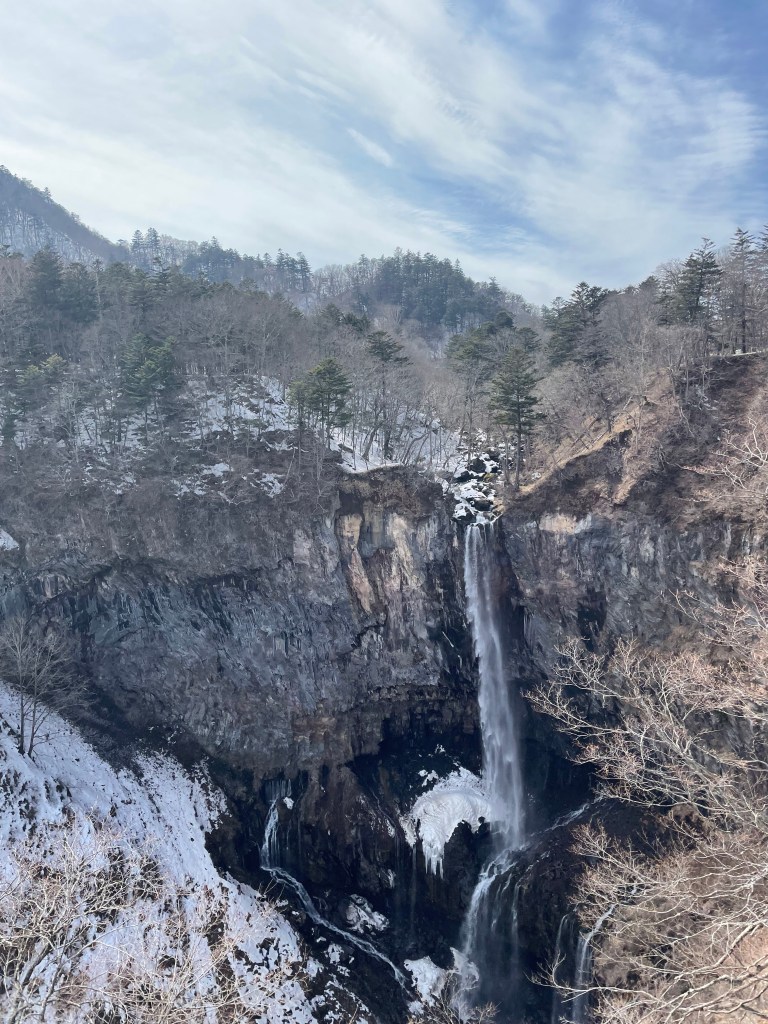
After visiting Nikko Toshogu, we went to the next spot: the Kegon Waterfall. It is one of the top three waterfalls in Japan. It consists of a stream coming from Lake Chuzenji, and the sight of it pouring straight down into 97 meters of depth while splashing water around is truly fascinating. If you have time, the best spot to view the waterfall is from both of the observation decks.
Apart from the waterfall, another speciality in the area is the Yuba Croquette, which is like a tofu skin and can be made in different dishes. Quite a lot of restaurants have this food on their menu.
Unlike the restaurants in Tokyo, most of the restaurants here are family-run businesses. Sometimes, the boss or the waitress are family members who have to take care of their kids while serving the customers in the shop. In some restaurants, you can see that the family living area is right above the dining area. Therefore, it is part of their home as well.
Although their English is not very good and they can’t communicate efficiently, they are welcoming to the customers and passionate about making a delicious dish, something you might not be able to experience in a major city.
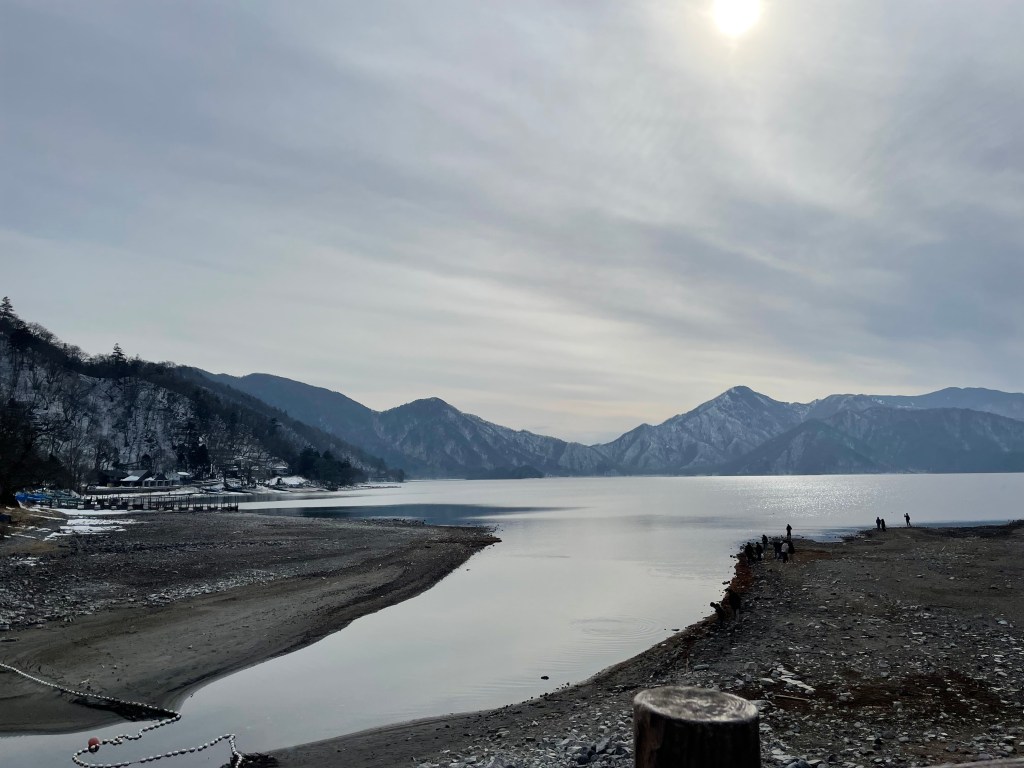
Lake Chuzenjiko 中禅寺湖

As the stream of waterfall passes through Lake Chuzenjiko, how can you miss the chance to visit this place then?
The best time to visit Chuzenjiko is during the Autumn; however, if the weather is nice, it is a great opportunity to walk along the lakeside, where you can enjoy the sightseeing boats and the perfect view of the lake.

Speaking of Lake Chuzenjiko, many locals will tell you it is a place for hot springs (Onsen) as there are many hot spring resorts, and they will also travel here for holidays. If you are not a hot spring, the small town consists of souvenir shops and, more importantly, the Chuzenjiko Temple, which is the best spot to enjoy a panoramic view of the entire Chuzenjiko lake with mountains in the background.
 Charlifestyle